

Mergers & Acquisitions
Ash Tiwari
Partner in Mergers & Acquisitions at Baker McKenzie
The New York Lawyer Experience · July 2027
A billion-dollar merger turns into a lawsuit before the ink is dry. Our students spend two weeks inside a legal world we have created, moving from corporate law to criminal law and civil rights. Advise on the deal. Fight the litigation. Prosecute and defend a murder trial. Argue for a client's freedom at a bail hearing. Stand before a panel of justices in a case that could change the law. They then learn exactly how to become a top lawyer themselves.
Coached throughout by corporate lawyers, criminal defense attorneys, prosecutors and civil rights litigators.
Our students don’t just learn about the law; they practice it.
How these professions use AI — and what still can’t be automated.
Scored, signed, verified. Evidence no other applicant has.
The Experience
On the Lawyer Experience, you step inside a legal world we have created. Across eight days, you take on simulations based on real-life activity, from corporate law to a murder trial and civil rights law. Real industry professionals show you how they actually do their jobs, then hand over the reins and give you feedback on how you did. Two further days focus on your path into the profession. And it all happens in real industry venues across Manhattan — prestigious skyscrapers and more — so you experience professional life from the inside, not from a classroom.
Week One
A client wants to acquire a competitor. Students step in as junior associates advising the buyer, building the term sheet and picking apart the target's reps and warranties before a single word is negotiated.
Head-to-head across the table against the other side's associates — price, indemnities, escrow, the clauses that decide who eats the risk if something's wrong. The deal closes.
Weeks later, something the seller didn't disclose surfaces. What was a transactional matter now becomes a litigation. Students act for or against it, as the dispute moves from the negotiating table to the courtroom.
A client is accused of murder. Students split into two: prosecution, arguing the accused is a flight risk who should stay in custody pending trial; defense, arguing for release. First test in front of a judge — and the first read either side gets on the strength of the other's case.
Same two teams, same case, now in front of a jury. Opening statements, then prosecution builds its case — examining witnesses, presenting evidence, building the narrative defense will have to break. The day ends the way real trials do, mid-fight: prosecution rests, and defense walks in the next morning with everything still to prove.
Week Two
Defense builds its own case, both sides deliver closing arguments, and the jury delivers a verdict — live, at the end of the day.
A civil rights claim lands on the desk. Students research precedent, draft the brief, and moot their arguments against each other before anyone goes near a real bench.
Live oral argument in front of a panel of justices — real questions from the bench, no script, a decision handed down at the end.
Two days that take students from exactly where they are now to their first day as a lawyer.
Choosing a pre-law major and a school that keeps doors open. Which competitions actually matter — mock trial, moot court, We the People — and which are noise. When and how the path to law school actually starts.
Building a resume and personal statement that gets noticed. Cracking a law school or firm interview. The questions every candidate gets asked, and how to answer them cold. The behavioral questions that trip people up, and how to never freeze.
A real interview panel, run by real legal professionals.
All of it becomes The Forefront Report: the evidence of exactly where they stand today, and exactly what it takes to get from here to their first day as a lawyer.
The Method
Every day runs the same way. Nobody is thrown in cold.
A professional demonstrates the technique, then students put it into practice.
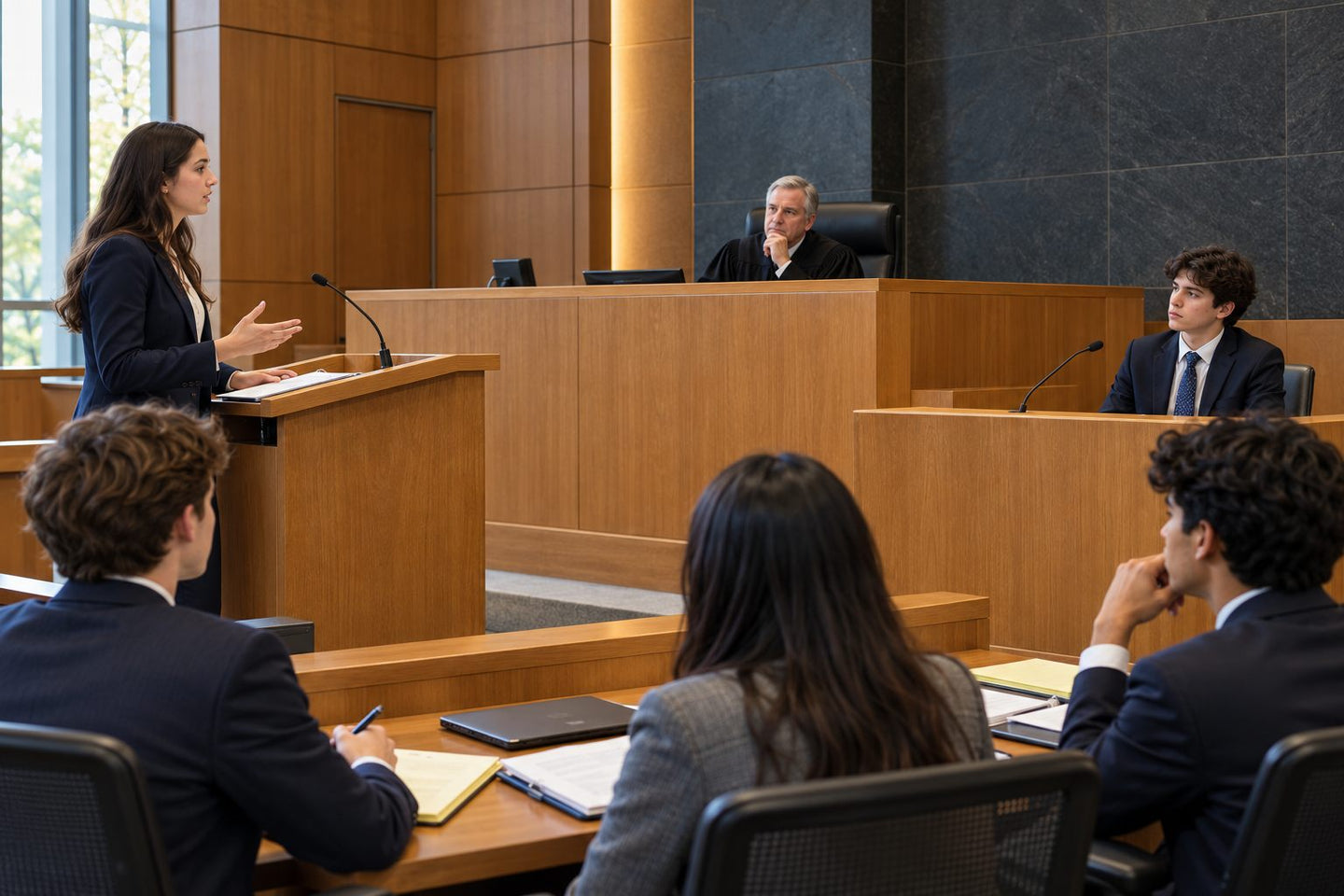
Teams of six run the brief themselves, in role, under real conditions.
Each team pitches its outcome to a professional panel and defends it, on the spot.
That is what Watch is for. No prior knowledge of business, finance or law is expected — every day begins with a professional teaching the skill from first principles.
10am to 5pm. Five days a week.
Who Teaches
Corporate lawyers. Criminal defense attorneys. Prosecutors. Civil rights litigators.
We choose them on two things.
The firms, the cases, the track record.
A real commitment to the next generation — the energy it takes to hold a room of teenagers.
The professionals don’t lecture. They show our students how the work is actually done, then watch them do it — correcting, pushing, mentoring them through it. Every professional stays for networking and questions.
Teams of six. Small enough that a professional knows every student by the end of a day. Below you can see a small selection of the professionals we work with.
Mergers & Acquisitions
Ash Tiwari
Partner in Mergers & Acquisitions at Baker McKenzie

Law
Liam Diggins
Partner at Addleshaw Goddard

Law
Ashmi Bhagani
Partner at Wilson Sonsini Goodrich & Rosati
What They Leave With
Two weeks of observation by the professionals who worked with our students, and the interview panel run by legal professionals in the final two days. Forefront draws that evidence together into The Forefront Report.
Strengths and gaps, with the evidence behind each.
Dated and specific. Not opinions about your child — evidence of what they did.
Signed by the professionals who worked with them.
What to do next, and why — based on two weeks of evidence.
Held by Forefront and verifiable by any college or employer, for years.
Not just a certificate of attendance. Evidence of your preparation for professional life.
Dates
Ten working days across two weeks. Residential students check in on Sunday, July 11 and check out on Saturday, July 24 — thirteen nights.
The Venues
Work alongside leading professionals at locations including One World Trade Center and 140 Broadway—two distinctive addresses in the heart of New York City.

An iconic New York address. An extraordinary setting to take your first steps into professional life.

Light-filled meeting space with sweeping harbour views, bringing the scale of New York into the room.
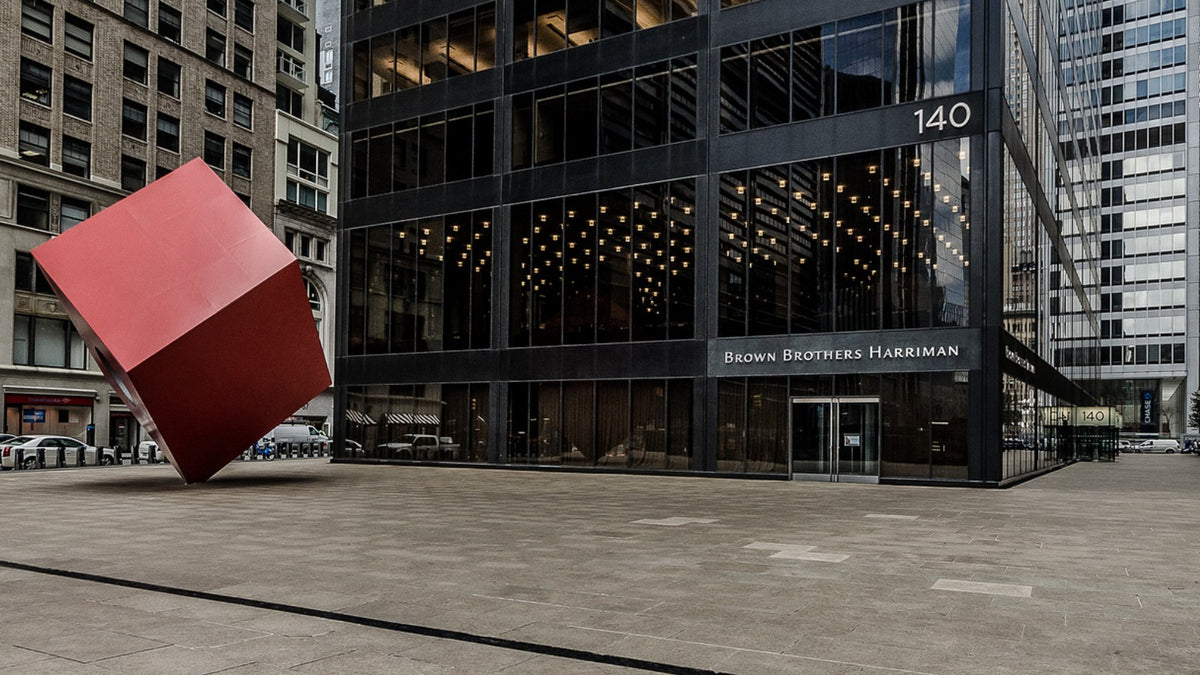
The landmark Marine Midland Bank Building. A distinctive setting in New York’s Financial District.

A closer look at the workplace setting at this Financial District address.
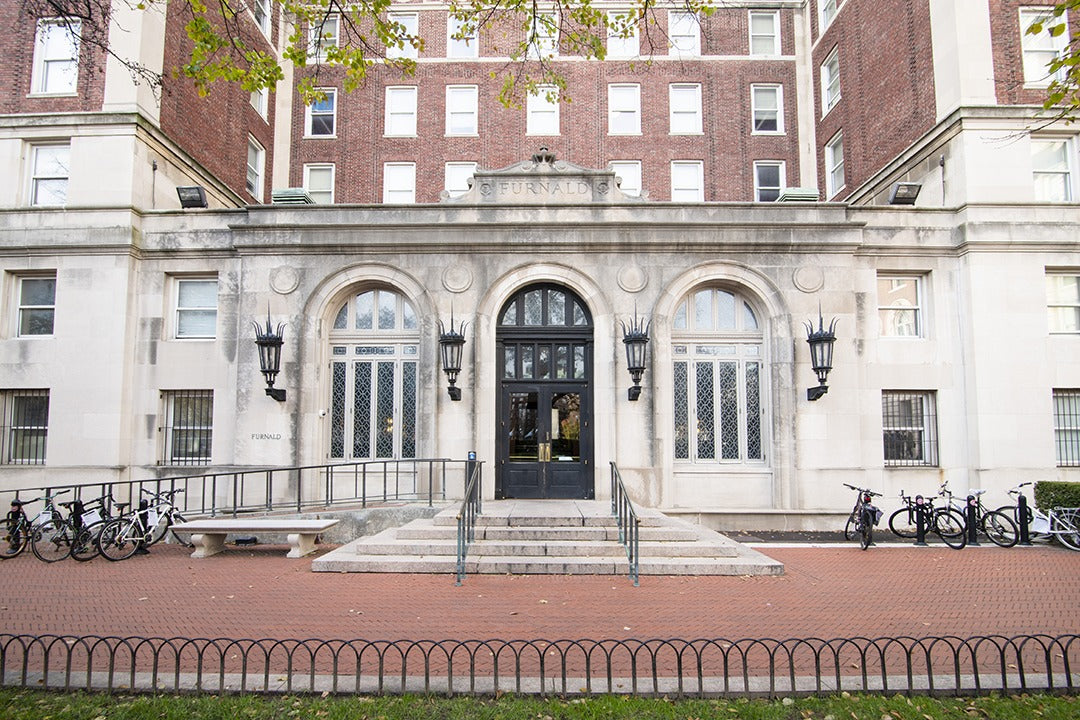
Residential students will stay in Columbia University Residence Halls in New York, with Forefront staff on site 24/7. Students are accompanied to and from the program each day. Breakfast and dinner are included, alongside a schedule of social activities and evening and weekend experiences.
The Fee
The full Forefront program — Monday, July 12 to Friday, July 23, 2027.
Two weeks · every professional-led session · all venues · materials and AI tools · The Forefront Report
Everything in the program, plus the below— check in Sunday, July 11, check out Saturday, July 24:
Thirteen nights in supervised university halls in New York · breakfast and dinner · the evening and weekend program · care around the clock
Non-residential: days at Forefront, evenings and the weekend at home in New York.
Payment. Reserve a place with a $2,000 deposit, or pay in full. The remaining balance is due on March 1, 2027. A place is confirmed once we receive your deposit or full payment.
Questions
Ambitious 15- to 18-year-olds drawn to the law — corporate deals, criminal trials and civil rights. No prior experience is expected.
No. Most don’t. For a student who already knows they want law, this is the closest thing to living the job before they apply to university. For one who hasn’t found their direction, two weeks practicing the law give more clarity than any careers questionnaire.
It’s demanding, not adversarial. Teams work against a situation, not against each other — though some days one team does sit opposite another.
Every student takes their turn individually, not only the most confident.
No. They use it exactly as the professionals in the room use it — the litigator’s document review, the associate’s first draft, the advocate’s research. They learn to direct it well, and to see where it is confident and wrong. The tool does the first draft. The judgment is theirs.
Our trained Forefront team is on site every day. Every session is led by a top professional and staffed by our team for the support and pastoral aspects. Residential students are supervised around the clock. Full safeguarding details are shared on registration and more details can be found here.
Professionals participate in a personal capacity. Employer names identify their professional backgrounds, not program partnerships.
A $2,000 deposit reserves a place, or pay in full. The remaining balance is due on March 1, 2027. We never take payment from a card without asking.
Please contact us at hello@forefronteducation.com. All requests to change or withdraw from a program are handled directly by Forefront in accordance with the applicable Booking Terms.
Most international families choose the residential program — students check in on Sunday, July 11 and check out on Saturday, July 24. We advise on arrival, travel and airport transfers once a place is confirmed.
Residential students check in on the Sunday before the program starts and check out on the Saturday after it ends, and have leisure weekends with Forefront. Non-residential students attend the working week, starting on Monday and leaving the following Friday; weekends are spent at home. We advise on airport transfers once a place is confirmed.
Places for July 2027 are highly limited. Registration takes a few minutes. Choose a cohort, choose how you’ll attend, then pay in full or reserve with a $2,000 deposit.